

Fabrication of Storage Tanks – Steps and Procedure
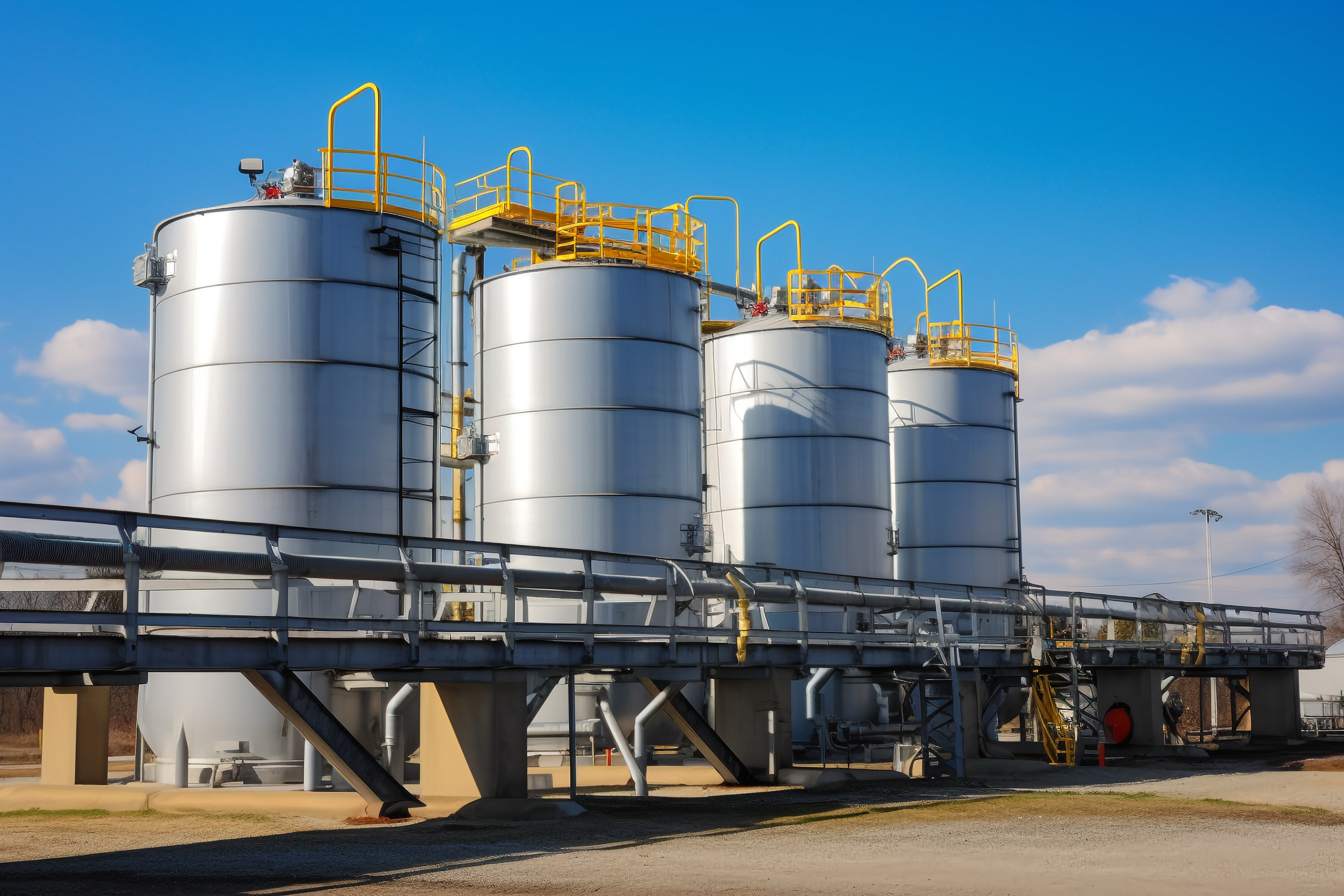
Storage Tanks
What comes to your mind when you think of storage tanks? Large tanks to store liquid, gas, or chemical, right? If you think this, you’re absolutely correct.
They are utilized in industries that need safe and efficient storage of liquids, gases, and chemicals. These bulky structures are designed with hard operational requirements in mind that should be safe and reliable.
Fabrication plays an important role in these tanks to meet specific industry standards and hence perform effectively under different conditions.
So do you want to learn about the fabrication of storage tanks? Well, this article will explain the major aspects of storage tank fabrication materials to be used, step-by-step processes, and the regulations guiding their manufacturing.
This will be very beneficial to organizations in understanding these aspects and putting them in an informed position to make better solutions for their storage requirements.
Different Types of Storage Tanks
Storage tanks are manufactured in various shapes and models for specific needs of storage. Here is a look at some of the main types based on installation, materials, and functions.
1. Aboveground Storage Tanks
These are tanks installed on the surface for easy inspection and maintenance. You can use such tanks to store large volume liquids including petroleum and some chemicals. However, you need to make sure that the weather conditions and environmental exposure is not harsh as these tanks need to be protected.
2. Underground Storage Tanks (USTs)
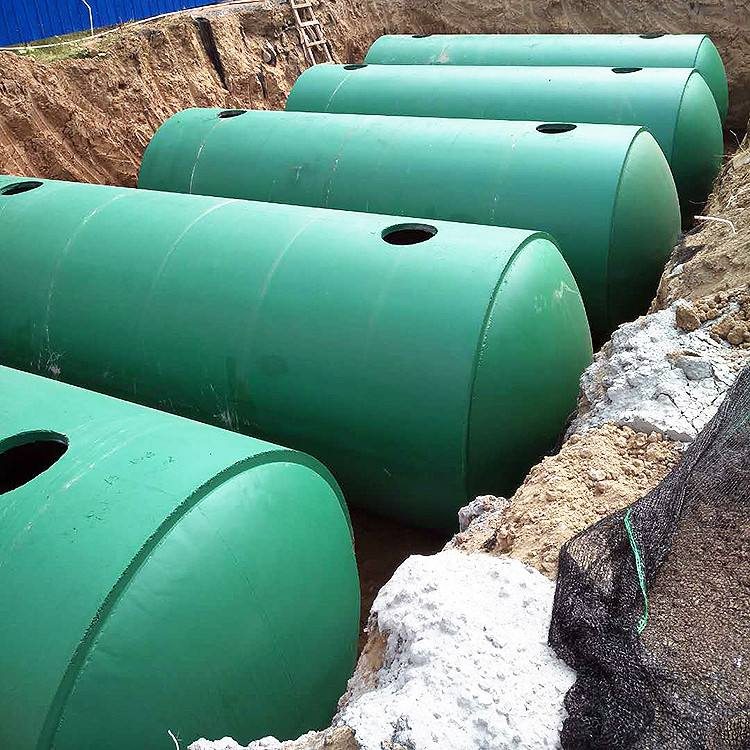
Underground Storage Tanks
Like their name, they are buried underground. They are usually present at gas stations and industrial areas to store fuel. They don’t take any space above the ground hence preventing the risk of external damage. However, you need to check them regularly for leaks and make sure that they are buried according to rules and regulations.
3. Steel Tanks
These generally consist of carbon steel or stainless steel-made tanks, which are immensely durable, withstand high-pressure and high-temperature applications and are food-grade, always a first choice while dealing with corrosive material.
4. Plastic and Composite Tanks
Noncorrosive and lightweight tanks would be very serviceable in storing nonpressurized liquids, such as water or suitable chemicals. FRP tanks are especially very common for industrial applications.
5. Fixed Roof Tanks
These tanks have a rigid, fixed roof that doesn’t detach. They are cheap and are normally used to store non-volatile liquids such as water and crude oil.
6. Floating Roof Tanks
Their roof is designed to reduce evaporation and control emissions by adjusting according to the liquid level inside, thus they are suitable for storing volatile substances like gasoline.
7. Pressure Tanks
As the name indicates, they store either gases or liquids under pressure.
8. Cryogenic Tank
The cryogenic tank is meant for ultra-low-temperature liquids, gases, and liquefied nitrogen. It combines the most developed thermal insulation technologies.
All these types have a certain purpose, so selecting the suitable one based on the material stored, environmental conditions, and regulatory requirements is important. By mastering these specifications, you can choose storage tanks that align with your operational needs.
What are the Materials Used in Storage Tank Fabrication
The selection of materials is one of the most important steps in the fabrication of the storage tanks. A wrong choice means you are sacrificing durability, corrosion, or the tank’s capability regarding the particular needs for which it is going to be put.
Steel and concrete are the two widely used materials. However, there are many other materials that manufacturers are using these days.
1. Carbon Steel
This is heavy, less expensive metal for tanks that store liquids in industry that do not corrode. It is also suitable for high and high-temperature applications.
2. Stainless Steel
Extremely resistant to corrosion, hence, can be used to store chemicals, food products, or any other reactive substance. Indeed it is long-lasting and less maintenance-intensive, hence highly priced.
These tanks are UV-resistant and can stay in good shape even without paint coating.
3. Alloy Steel
Used for specific tanks that need higher mechanical properties or are exposed to very aggressive environmental conditions.
4. Glass Fused Steel
Based on the name, it is a combination of steel and glass. It means the material has glass strength and water-proof properties of steel. You can use these tanks to store water.
The following two are the coatings that many companies use for their steel tanks:
- Epoxy Coating
Protect the inner wall of the tank from corrosion and chemical reactions. Generally, this is applied to those steel tanks storing hazardous materials.
- Rubber Linings
These include flexible and resistant linings for the storage of corrosive liquids, acids, or alkalis.
Concrete Storage Tanks

Circular Concrete Tank
Concrete has been used in the construction industry for very long. The same is the case with storage tanks. It is one of the oldest materials used for tank fabrication,
Concrete tanks serve two purposes: water and wastewater management. They are fixed, immovable tanks and can be customized in shapes and sizes. Common shapes are circular and rectangular.
In comparison with plastic, concrete tanks are much more easier to clean and keep the water cold. These tanks, if taken care of carefully and regularly, have a long life.
They have applications in the sewage industry, reservoir water, rainwater harvesting, and dirty water collection.
Fiberglass Plastic Tanks
These tanks have the capacity to store 300 tons of liquid and are very versatile. You can use them to store all types of liquids, whether chemicals or water. Their primary quality is bearing highly resistant to corrosion.
Based on their price point, they are less expensive than concrete ones. Besides, they are very tough and durable.
They have a mono-hull nature, which means you don’t have to spend extra cash on its lining since the material is waterproof itself. Another thing that makes these tanks excellent is their weight. They are super light than other materials. It enables you to easily carry them to the desired location.
They are very popular nowadays, so they have a great sale and resale value too, especially compared to concrete tanks.
Polypropylene Tanks
These tanks are used for storing chemicals, returnable transport packaging, pipelines, and sheets.
Polypropylene is a material with high tensile strength and is resistant to chemicals. Though it is light in weight, it can carry heavy weight from one place to another.
Now, let’s see how storage tanks are made.
Fabrication Process – Main Steps Involved
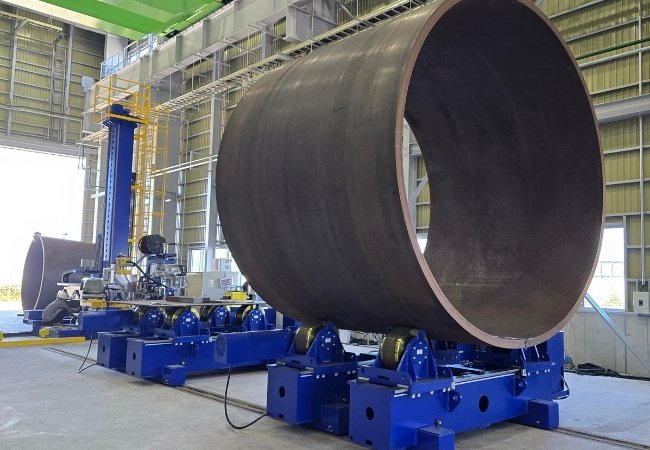
Storage Tank Fabrication
Well, making storage tanks is not a one-step process; it has to be sequential to keep the structure intact and maintain the standards of fabrication.
The important steps in tank fabrication are as follows:
1. Design and Execution Plan
The first step is to carefully design and make a plan. Start with making accurate drawings of the tank structure and its dimensions. You can decide based on the purpose, capacity, and operating conditions of the tank.
Your drawing and design must meet the standards API 650, API 620, or ASME Section VIII.
2. Selection of Materials
The selection of materials is based on storage needs; steel can be selected for strength, while FRP is best for corrosion resistance.
Cut the materials into required shapes and sizes, after their selection, using methods of plasma, laser, or waterjet cutting.
3. Formation and Shaping
Then, roll or bend the steel plates or any other material used for a cylindrical or spherical form of the tank walls.
Then, form the rest of the tank elements, tank bottoms, and roofs to fit them accordingly.
4. Welding
You can choose processes like TIG (Tungsten Inert Gas), MIG (Metal Inert Gas), or submerged arc welding for joining tank components.
Welding will ensure that the pieces are joined leakproof and that there is no loss of structural integrity.
5. Assembly of Tank
Assemble the prefabricated parts in the workshop or at the site, whichever is feasible considering the size of the tank and logistics.
Install additional nozzles, manways, and other tank fittings.
6. Surface Treatment
You then have to sandblast impurities off the surface of the tank.
You can also apply various coatings or linings for better protection and corrosion resistance to give the tank a longer life.
7. Testing and Inspection
Perform strict and rigorous testing regarding safety, including but not limited to:
- Hydrostatic Test
It includes filling the tank with water to check for any leakage and structural stability.
- Radiographic Test
Here, the internal weld defects are checked.
- Ultrasonic Test
It is the test used to detect the thickness of the wall for defects.
8. Delivery and Installation
Take the newly fabricated tank to its site.
You have to lay the foundation, prepare it, and secure it against slipping for stability in operation.
Tank Fabrication Challenges and Solutions
During fabrication, you need to overcome different issues and challenges before reaching optimized fabrication conditions.
We have listed some of the challenges and their solutions below:
1. Corrosion Resistance
Problem: Over the years, tank material will surely deteriorate due to corrosive agents and the environment.
Solution: Using stainless steel since it is anti-corrosive or a protective coating with epoxy or rubber lining will prolong the life of tanks.
2. Structural Integrity
Problem: Sometimes the tank s deform and get leaked due to extreme temperature and pressure conditions.
Solution: You can avoid the situation by careful design calculations at the very first step of the fabrication process.
3. Accurate Fabrication
Problem: If the material is cut inappropriately, bent or weld wrong, the tanks lose their integrity and form.
Solution: To resolve the issue, you need to choose advance cutting and welding techniques as mentioned above.
4. Transportation Challenges
Problem: Transportation of storage tanks is a hectic and challenging task since the tanks are large in size.
Solution: Fabricate different components separately and then assemble them on-site. It will reduce logistics issues.
5. Adherence to Standards
Problem: Since storage tanks are versatile and have applications in various industries, manufacturers don’t know which set of rules to follow for quality checks.
Solution: Always make sure that you hire a well-reputed manufacturer with skilled workers and an R&D team that is well aware of industry standards like API 650 and others.
Conclusion
Storage tanks serve a lot more purpose than one can imagine. They are very versatile entities with applications in sewage, irrigation, oil and gas, petroleum, chemical, and other industries. You can store different contents in it, mainly water, chemicals (both toxic and non toxic), gasses, and others.
Making a storage tank involves a series of steps and each type of tank is made following a different set of stages or steps. However, all type of storage tank fabrication needs quality equipment and skilled individuals.
Storage tanks are available in multiple sizes and are made from different materials like steel, concrete, fiberglass, polypropylene, and plastic. You can find different types of tanks for storing different items, including above-ground, underground, fixed roof, floating roof, concrete, cryogenic, pressure, and so many others.
Whichever type you select, always pick materials on the basis of the tank’s purpose and capacity. You must come up with a design following strict quality checks and standards across each stage of the fabrication process.
Why is it important? Well, if you follow these rules, you will be able to fabricate tanks that keep their shape, size, and structure intact no matter how harsh external or internal conditions are.
Storage tanks are designed to withstand the most environmental and weather conditions besides keeping the contents safe. They must cater to challenges, including corrosion resistance, structural integrity, and observance of industrial standards.
So, it’s important to understand all these things before making storage tanks for different projects to make sure that the process is seamless, and the professionals follow appropriate rules and regulations.
This information will also help tank manufacturers make proper decisions to ensure that the fabrication process is safe and efficient.
With accurate fabrication techniques and good follow up, you can make storage tanks one of the strongest and most efficient tools for industries, which will ensure seamless working and long-term success across all industries.


 EN
 ES
 RU
 JA
 FR
 PT